To combat exam stress, firstly you need to understand the reasons behind this heightened anxiety. Then you can establish methods to reduce the pressures you feel. Researchers have uncovered some common explanations for this:
- Low motivation levels
- Lack of preparation and planning
- High expectations from others
- Competition from peers
The difference between a student who allows stress to overwhelm them and someone who uses it to push them harder is what they do when they are facing that brick wall mid-study. Admirable students will pause, reflect and choose a path that will help them overcome the impasse, not just wait for the wave to engulf them.
Outlined below are some unexpected ways that you can put those negative feelings to one side and concentrate on your learning goals. If you’re not stuck for inspiration at this moment (maybe you’re procrastinating by reading this?), you may be looking for this advice before your exams so take note!
10 Surprising Ways to Beat Exam Stress
1. Listen to Classical Music
Listening to music can create a positive and productive environment by elevating your mood and encouraging you to study more effectively and for longer. Classical music is recommended as the best type of music to boost your brain power but ambient music can work too. Check out the playlists on Spotify to easily find what works for you.

Get New Study Hacks on a Daily Basis
Join GoConqr for free and you’ll have access to Study Groups in which students from all over the world share their secrets to better academic results
2. Take a Quick Walk
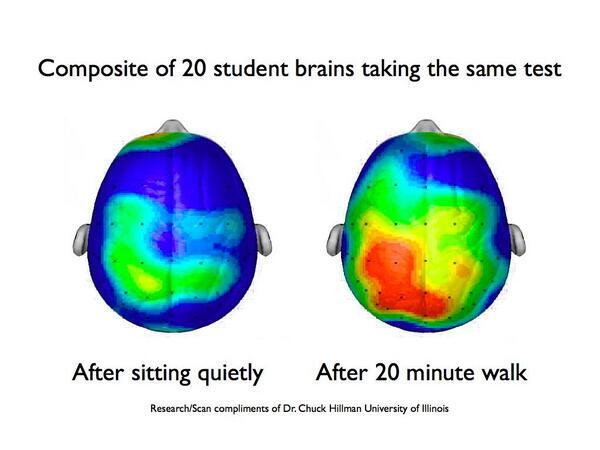
Many students feel as if they should spend their entire time before exams with their books open and their pen poised for action. However, research has proven that exercising such as taking a walk can boost your memory and brain power.
The image below shows the results of a study conducted by Dr. Chuck Hillman of the University of Illinois. It clearly demonstrates the effect exercise can have on your brain’s activity. Imagine how this could improve your exam performance!
3. Plan your Study Routine
This may not be a big surprise but what is shocking is the amount of students who discount the benefits of creating a personal study plan. With some initial effort, you can become more productive and motivated each day you approach your study by understanding your learning progress. If you’re using our learning platform, the GoConqr calendar tool will help you align your goals with your day-to-day study, get started here.
4. Play with Bubble Wrap & Puppies
Where do puppies come into exam stress? Lots of universities have installed ‘puppy rooms’ where students can come to relieve stress and anxiety. Pets have also been found to help you focus while studying but we wouldn’t recommend dropping into the library with your pet hamster! Popping bubble wrap is another stress reliever you can save for home study.
5. Try to Get Enough Sleep
For some people, this is something that’s always put on the long finger especially if you are trying to get the most out of college life. The benefits of a proper night’s sleep can never be underestimated. Most importantly, sleep helps your brain to assimilate new knowledge into your long-term memory so that you can recall it when it comes to test day. Anyone who has tried to concentrate with half a night’s sleep can also testify to improved focus with better sleep.
6. Use Mobile Apps
There are tons of mobile apps designed to improve your quality of life. Whether you want to get better organised, improve your mental arithmetic or work on your English language skills, there’s an app for that. We’ve even launched our own mobile apps for iOS and Android so you can make the most of your time no matter where you are. Downloading the app will give you access to over 2 million learning resources from around the world. Get the app for free here:


7. Give Your Mind Space
Meditation is one of the most effective ways to take a break and see your stress from a different perspective. Practicing meditation is another way to maintain focus while improving both mental and physical health to reduce pre-exam stress.
8. Eating Dark Chocolate
Believe it or not this is 100% true. Eating dark chocolate which is over 70% cocoa fights the exam stress hormone cortisol and has an overall relaxing effect on the body. Plus chocolate releases endorphins which act as a natural stress fighter.
9. Let it All Out
Sometimes you just need to talk to someone, other times you need to shout it from the rooftop or scream from the top of your lungs. Figure out what you’re feeling and then let it out. Speaking to a family member or friend can highlight the bigger picture for you and empower you to rise above the exam stress.
10. Break Free from Distractions
I bet you don’t even realise the number of times you check Facebook, Instagram or whatever your vice is? When you add it all up together, it amounts to a significant waste of time. It can be hard to detach from your life outside of studying but keeping the end goal and timeframe in mind will ease the process. We recommend the SelfControl website blocker.
Got any more exam stress tips for our learning community? Share them in the comments below or tweet us.
Here’s some motivational tips for students to give you that extra boost:
Comments
Post a Comment